What are brand guidelines and why every business needs them?
A great logo is only the beginning. The real strength of a brand comes from consistency — the ability to look, feel, and communicate the same way across every touchpoint. That's exactly why brand guidelines exist.
Whether you're a startup building your first identity or an established company managing multiple marketing channels, brand guidelines help ensure your brand stays recognizable, professional, and trustworthy.
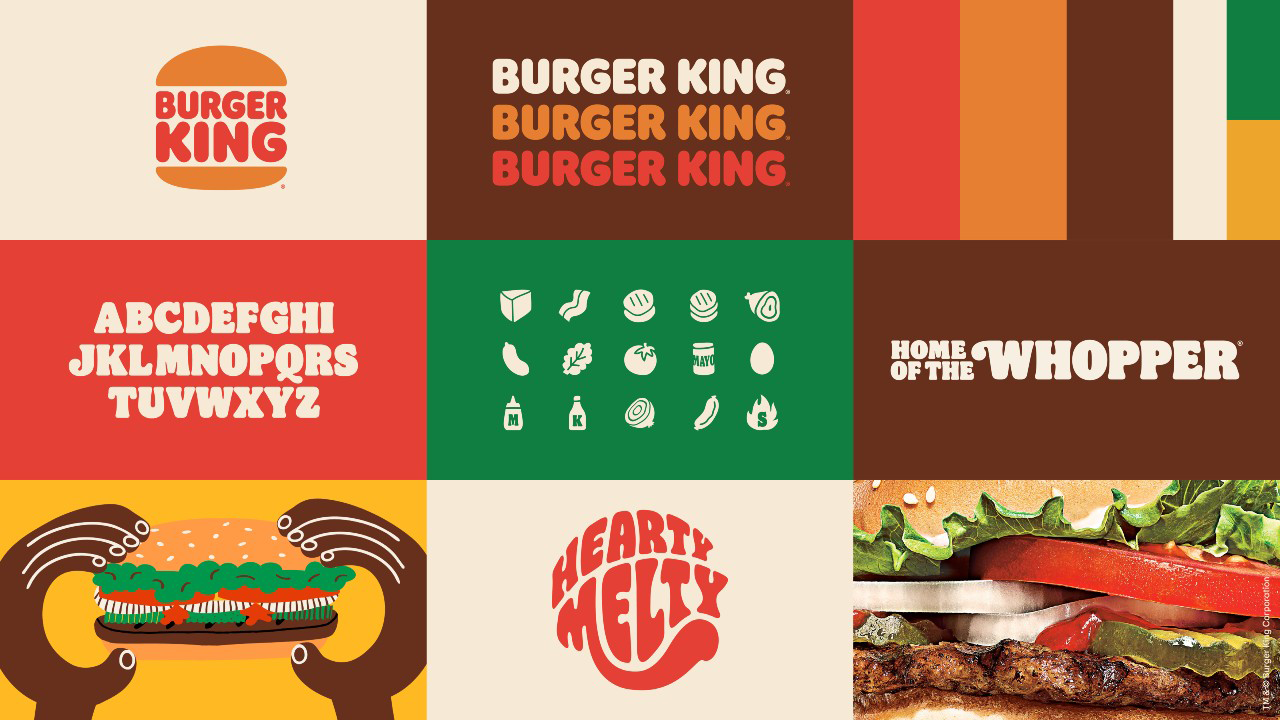
What Are Brand Guidelines?
Brand guidelines (often called a brand style guide) are a set of rules that define how a brand should be presented visually and verbally. They act as a reference document for designers, marketers, developers, content creators, and anyone working with your brand.
The goal is simple: maintain consistency across websites, social media, advertising, packaging, presentations, and printed materials.
Without clear guidelines, brands often become inconsistent over time, leading to confusion and a weaker market presence.
Why Are Brand Guidelines Important?
Consistency is one of the key factors behind strong brand recognition. When customers repeatedly encounter the same colors, typography, imagery, and tone of voice, they begin to build trust and familiarity with the brand.
Well-defined guidelines help businesses:
- Maintain a professional appearance across all channels
- Improve brand recognition
- Speed up design and marketing processes
- Reduce communication mistakes
- Create a unified customer experience
- Make collaboration with agencies and freelancers easier
As businesses grow, brand guidelines become even more valuable because more people are involved in creating content and marketing materials.
What Should Be Included in Brand Guidelines?
1. Logo Usage
Your logo is the foundation of your visual identity. Guidelines should explain:
- Primary and secondary logo versions
- Minimum logo size
- Clear space requirements
- Approved color variations
- Incorrect logo usage examples
This helps prevent distortions, inconsistent sizing, or improper placement that could weaken brand recognition.
2. Color Palette
Brand colors are often one of the most recognizable aspects of a company. A strong guideline should include:
- Primary brand colors
- Secondary and accent colors
- HEX, RGB, and CMYK color values
- Examples of color combinations
Providing exact color codes ensures consistency across both digital and print applications.
3. Typography
Fonts have a major impact on how a brand feels. Your guidelines should define:
- Primary typefaces
- Secondary fonts
- Heading styles
- Body text styles
- Recommended font hierarchy
Consistent typography helps create a cohesive visual experience across all communication channels.
4. Imagery and Visual Style
Photography, illustrations, icons, and graphic elements should follow a clear visual direction. This section can include:
- Photography style examples
- Illustration guidelines
- Iconography rules
- Image editing recommendations
- Graphic patterns and supporting elements
These details help maintain a recognizable visual language throughout the brand.
5. Brand Voice and Tone
Branding isn't only visual. The way a company communicates is equally important. A brand voice section typically defines:
- Tone of communication
- Key messaging principles
- Preferred vocabulary
- Words or phrases to avoid
- Examples of written communication
This ensures that social media posts, website copy, emails, and advertisements all sound like they come from the same brand.
Common Mistakes Brands Make
Many businesses invest in branding but never document it properly.
Some of the most common mistakes include:
- Using different logo versions across platforms
- Inconsistent colors and typography
- Lack of communication guidelines
- Outdated brand assets
- Guidelines that are too complex to follow
The best brand guidelines are practical, easy to understand, and accessible to everyone who works with the brand. Recent discussions within the branding community also highlight that successful guidelines focus on helping teams make decisions rather than simply enforcing rules.
Brand Guidelines Are an Investment, Not a Document
Many people think of brand guidelines as a PDF that sits in a folder and never gets opened again. In reality, they should function as a living system that helps teams create consistent brand experiences every day.
When used correctly, brand guidelines save time, reduce revisions, improve collaboration, and strengthen brand recognition over the long term.
A strong brand isn't built by a logo alone. It's built through hundreds of consistent interactions that all feel connected, recognizable, and intentional.