How to build a startup brand that stands out
Starting a business is relatively easy.
Building a brand that people remember is much harder.
Startups often enter markets where customers already have dozens of options to choose from. There are already competitors with established names, recognizable identities and years of customer trust.
So how do you make a new brand stand out?
The answer isn't simply a better logo or a more unusual color palette.
A strong startup brand is built around a clear idea, a distinctive identity and a consistent experience across every place where people interact with the business.
Here are some of the most important things to consider when building a startup brand from the ground up.
1. Start With a Clear Position
Before thinking about the logo, colors or website, you need to understand what the brand actually stands for.
What problem are you solving? Who are you solving it for? Why should someone choose you instead of an established competitor?
And perhaps most importantly: What makes your company different?
This doesn't necessarily mean finding something nobody else in the world is doing. Sometimes the difference is in the audience you serve, the way you deliver the product, the experience you create or the way you communicate.
A clear position gives the visual identity something meaningful to express. Without it, branding can easily become decoration.
2. Know Who You're Building the Brand For
A brand isn't designed for the company founder. It's designed for the people the company wants to reach.
Before designing, you should understand:
- Who is the target audience?
- What do they value?
- What alternatives are they already using?
- What brands do they trust?
- What does the category currently look and sound like?
- What expectations do customers already have?
Good branding starts with understanding the audience and the market before making visual decisions.
3. Understand the Competition — Then Find Your Space
You don't build a distinctive brand in isolation. Look at the category and study competitors.
The goal isn't to copy what works. It's to understand the visual language of the market and identify opportunities to do something different.
If every competitor uses dark blue, perhaps your brand doesn't need to. If every company communicates in corporate language, perhaps a more direct and human voice could create differentiation.
Standing out doesn't always mean being radically different. Sometimes it means making one or two carefully chosen moves that create a clear distinction.
4. Create a Brand Idea Before Creating a Logo
A logo is one element of a brand identity. It isn't the brand itself.
Before designing the logo, it helps to define the central idea behind the identity. What should the brand feel like? What personality should it have? What should people remember about it?
The better question is: "What should this brand look and feel like?"
5. Build a Distinctive Visual Identity
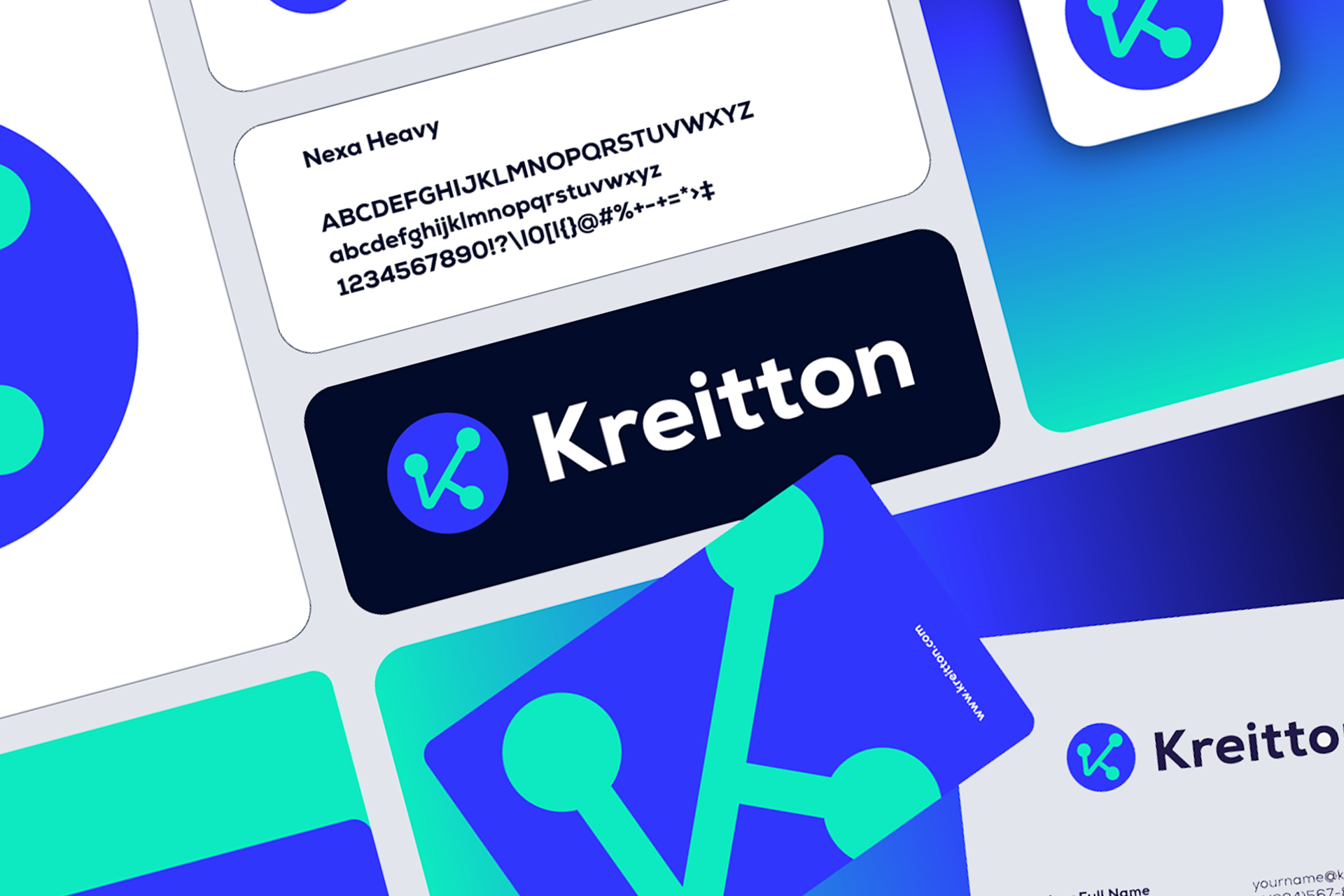
This is where strategy becomes visible. A startup identity typically includes logo, color palette, typography, photography, illustration, iconography, graphic elements, layout principles, motion, and visual tone.
The strongest identities don't depend on the logo alone. Even without seeing the logo, you should ideally be able to recognize the brand through its colors, typography, imagery, composition or graphic language.
6. Don't Design for Trends
Design trends can be useful sources of inspiration, but they shouldn't determine the identity. A brand needs to survive longer than the trend that inspired it.
Ask yourself: Will this still feel appropriate in three or five years?
7. Make the Brand Recognizable, Not Just Beautiful
A beautiful brand isn't automatically a memorable brand. What makes a brand recognizable is consistency combined with distinctive elements. Maybe it's a particular color, a unique typographic treatment, an unusual illustration style, or a recognizable photography direction.
8. Give the Brand a Voice
Branding isn't only visual. The way a company speaks can be just as important as the way it looks. A startup should establish a clear tone of voice that reflects the company's personality and audience.
9. Make Every Touchpoint Feel Like the Same Brand
A brand lives in the real world across websites, social media, advertising, packaging, presentations, sales materials, product interfaces, and customer service. Every interaction contributes to the perception of the brand.
10. Build a Brand System That Can Grow
Startups change quickly. Your identity needs enough flexibility to accommodate growth across new products, markets, and teams. This is where a brand style guide becomes essential.
11. Make the Website an Extension of the Brand
For most startups, the website is one of the most important brand touchpoints. A strong startup website should answer three questions quickly: What is this? Why should I care? What should I do next?
12. Don't Try to Appeal to Everyone
One of the biggest mistakes startups make is trying to make the brand acceptable to everyone. The result is often a brand that feels safe but forgettable. A distinctive brand knows who it is for.
13. Consistency Is More Important Than Perfection
Consistency allows the audience to become familiar with the identity. Use the same visual language, repeat distinctive elements, and keep the tone consistent over time.
14. Know When to Invest in Professional Branding
A professional branding process turns ideas into a coherent system — positioning, messaging, visual identity, and digital experience. The earlier the core identity is defined, the easier it becomes to build everything else around it.
Final Thoughts
Building a startup brand that stands out isn't about making the loudest brand in the room. It's about being clear, distinctive and consistent.
At Brandbusters, we help startups and growing companies turn ideas into complete brand identities — from strategy and logo design to visual systems, brand guidelines and digital experiences.
Because a startup doesn't need just another logo. It needs a brand that can grow with the business.